Actively steer operational purchasing, instead of just managing orders.
We turn your operational purchasing into a steering lever: clear priorities, less firefighting and measurably better availability. Without tying up unnecessary capital in the warehouse.
higher ROI is achieved by top purchasing organisations, at double the savings.
The difference rarely comes down to negotiation skill. It comes down to whether operational purchasing steers by rules or works through documents.
Source: The Hackett Group, Digital World Class Procurement (2025) ↗Purchasing organisations expect 10% more workload at 1% more budget. Without steering, day-to-day work eats the capacity. The Hackett Group ↗
Planning on wrong stock produces shortages despite a full warehouse. ECR Retail Loss ↗
Shortages are the most expensive service-level killer, causing damage in the trillions worldwide. IHL Group ↗
What does that mean concretely for your company?
If several of these points apply to you, your purchasing manages orders instead of steering.
Ordering decisions depend on people.
Two planners, two results. Nobody can explain why.
Minimum quantities and lot sizes force excess stock.
You buy too much just to be allowed to buy at all.
Stock transfers happen too late or not at all.
Warehouse A is full, warehouse B has shortages, even though the stock exists.
You plan without real prioritisation.
Everything is "important": genuinely critical articles get overlooked.
Lead times fluctuate, your planning lags behind.
The first deviation tips into shortages or excess stock.
Rush orders become routine.
Expediting eats margin and additionally blocks the team's time.
Parameter sprawl makes your planning unsteerable.
Safety and reorder stocks, min/max: historically grown, never reviewed.
Purchasing drowns in exceptions instead of steering.
Backorders, partial deliveries, substitute articles: day-to-day work always wins.
Software alone cuts no inventory.
That's why you don't get a tool rollout from us, but a method: goals, ordering rules and an operating model that hold up in day-to-day work. The software computes them every night.
Order Steering™
Target service level per product group, ordering rules for timing and quantity, an operating model with clear responsibilities. Ordering decisions are derived, traceable and delegable; they no longer hang on individual people.
Targets · Rules · Operating modelEazyStock
Your rules run every night in EazyStock: as a Platinum Partner we connect the inventory-optimisation software to your ERP, configure it to your method and operate it day-to-day.
Here's what that looks like day-to-day.
Prioritised, justified, straight into the ERP.
Your purchasing starts the morning with a prioritised list instead of hundreds of open items. Each proposal shows quantity, reason and urgency; non-critical C-parts run through automatically, and only what needs checking is checked.
Forecasts instead of gut feeling
Forecast per article from consumption history, including seasonality, trends and promotional business. Dark: history, light: forecast.
Service level per class
Every ABC/XYZ class gets its own service-level target. Safety stocks adjust automatically.
Automation with rules
Non-critical orders run through automatically, exceptions land in the review workflow. You decide per rule, not per document.
Automatic classification
ABC/XYZ is recalculated continuously, per warehouse for multi-site too. No more manual Excel.
Where's your sweet spot between availability and tied-up capital?
Set your service level and stock value: the curve shows what a higher level costs in stock and where cash can be freed. Anonymous, with no email gate; we store no inputs.
The curve is a simulation with reference values. We compute the real curve in the potential analysis with your articles, lead times and stock, article by article.
From an order office to a steering lever, in four steps.

Survey service level and excess stock
We analyse your ERP data so you see why you have shortages while building up excess stock at the same time: minimum quantities, lead times, lot sizes, order rhythms, safety stocks. Instead of gut feeling you get a clear view of the operational drivers behind supply capability, stock and planning effort.
Ergebnis: service index, out-of-stock risk, excess-stock report

Set stock and supply-capability targets
Together we translate "better availability with less stock" into concrete rules: target service level per product group, how aggressively you avoid shortages, which articles are steered fast and which sparingly, what isn't kept in stock. Not Excel theory, but purchasing policies your team can apply day-to-day.
Ergebnis: stocking policies, service-level targets per class

Introduce management by exception
Instead of manually checking hundreds of order items every week, the software converts your goals and policies into order proposals and up-to-date stock parameters at night. What's left are the special cases: large-customer orders, out-of-stock alerts, delayed supplier orders.
Ergebnis: order proposals, stock parameters, rule automation
Enablement, training and ongoing optimisation
Without clear rules, purchasing control quickly tips back into old patterns. That's why we anchor a lightweight operating model: who decides what, which metrics are checked when, how parameters are adjusted and how the data stays clean. We train you on your concrete workflows and fine-tune together in quarterly business reviews.
Ergebnis: workflow training, process support, quarterly business reviews
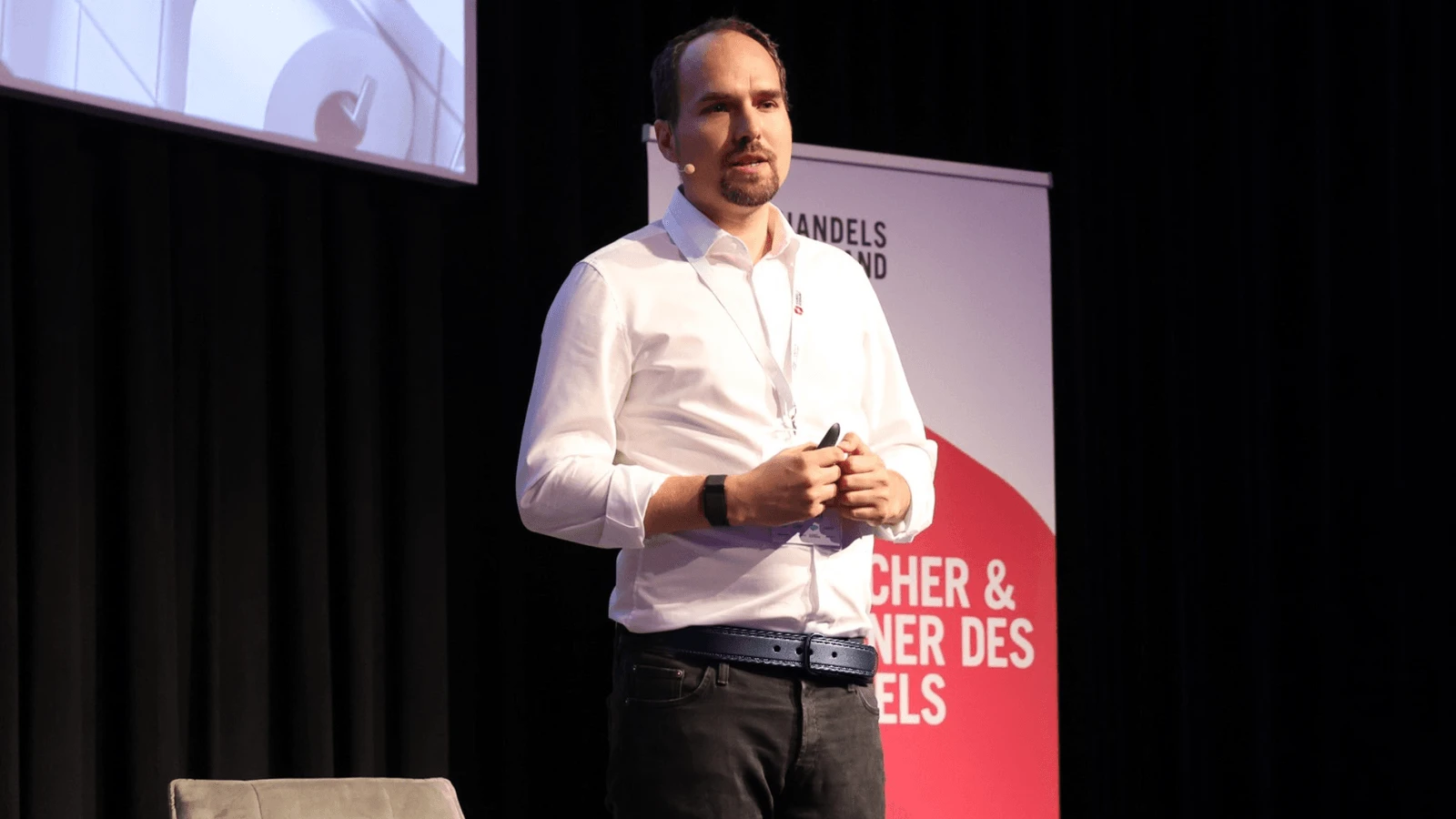
“For part of our range we had to cover warehouse capacity through an external logistics provider. Working with Systempilot let us significantly reduce that and save on storage costs. The support is very comprehensive: for years we've had a fixed point of contact.”

Common questions about purchasing control.
How do we notice the system is working?
From the metrics we define together at the start: service level, stock value, the share of automatically approved items, rush orders. You see them continuously in reports; in quarterly business reviews we fine-tune policies and parameters together.
How are Systempilot and EazyStock connected?
Systempilot is an EazyStock Platinum Partner in the DACH region. EazyStock provides the inventory-optimisation software: forecasting, order proposals, service-level logic. We make sure it's properly connected, cleanly configured and effective day-to-day, including integration, enablement and ongoing support.
What changes for our planners?
Fewer routine items, more steering. Non-critical orders run through automatically by rule; your team focuses on special cases like large orders, looming shortages and delayed suppliers. The decisions stay with you, but they're derived, traceable and delegable.
What does the rollout cost?
One-off analyses and optimisation projects start at around €5,000. With an EazyStock rollout, licence costs are added, typically from around €1,000 per month.
How long does the rollout take?
Typical project durations are 3–6 months. After that it usually moves into a long-term engagement with a fixed point of contact and quarterly business reviews.
Want to know what potential is in your operational purchasing?
Then we compute it with an extract of your real ERP data: article by article, no sample catalogue.
Request a strategy call →